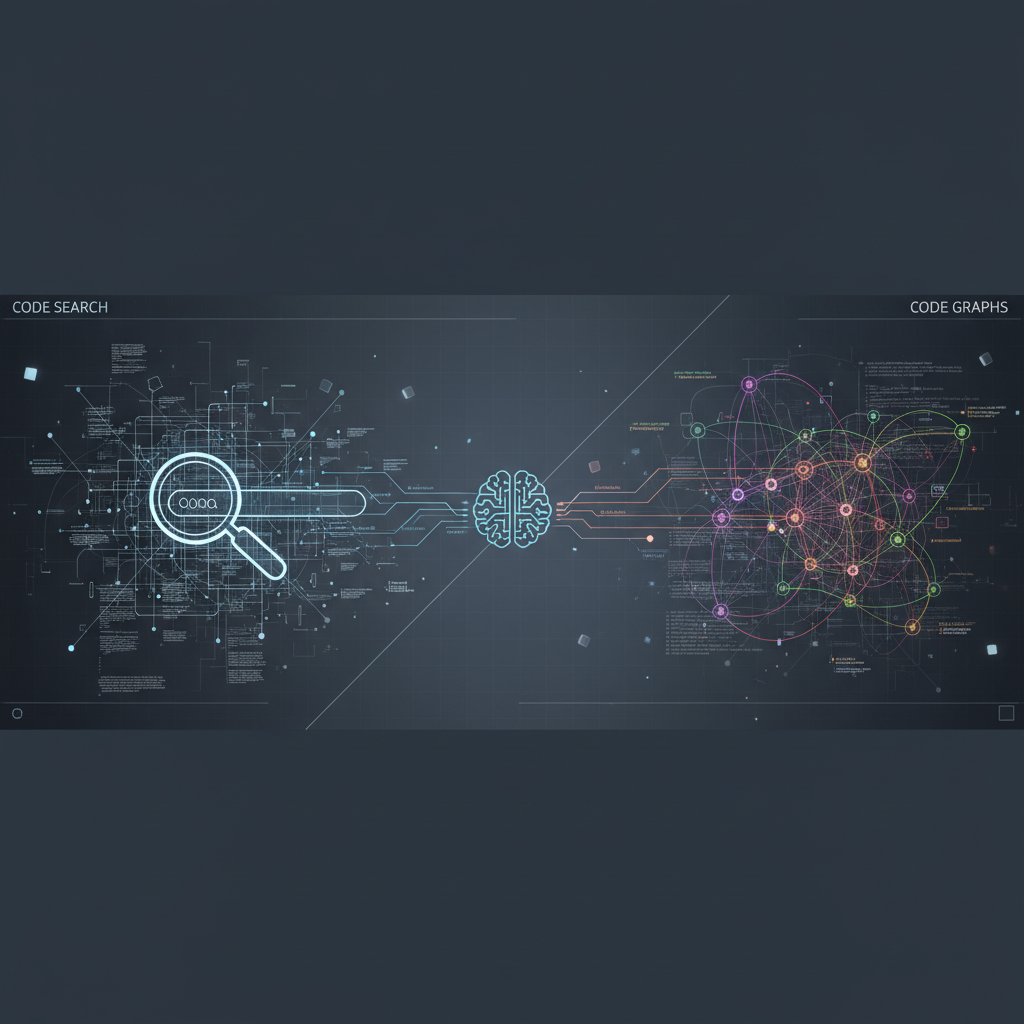
In the intricate world of AI development, especially with sophisticated systems like Windsurf AI, understanding how changes ripple across your codebase is paramount. A seemingly minor alteration in one file can trigger a cascade of mutations across dozens of others, making debugging, refactoring, and even simple feature development a nightmare. This phenomenon, often dubbed 'cross-file mutation cascades,' is a significant challenge for developers. But what if you could visualize these hidden dependencies and track every mutation with clarity? This is where tools like ArchToCode become indispensable.
The Challenge of Cross-File Mutations in AI Systems
AI projects, particularly those involving machine learning models, data pipelines, and complex inference engines, are inherently interconnected. Consider a system like Windsurf AI, which might involve:
Data Preprocessing Modules: Changes to how data is cleaned or transformed can affect model training, evaluation, and deployment.
Model Architectures: Tweaks to a neural network layer definition can impact training scripts, inference services, and even downstream applications consuming the model's output.
Feature Stores: Modifying a feature engineering script can alter the input shape for multiple models.
Deployment Pipelines: Updates to containerization or orchestration logic can affect how models are served and scaled.
Evaluation Metrics: Changing how model performance is measured can influence reporting and A/B testing frameworks.
Without a clear understanding of these relationships, a change in one file can inadvertently break functionality in another, leading to subtle bugs that are hard to trace. Traditional code navigation tools often fall short, providing only static views of dependencies rather than dynamic insights into how changes propagate.
ArchToCode: Your Navigator Through the Mutation Cascade
ArchToCode, an AI-powered code visualization product, is designed to bring clarity to such complex scenarios. By automatically generating interactive Mermaid diagrams from your codebase, it offers a bird's-eye view of your software architecture, making cross-file mutations visible and understandable.
1. Visualizing Dependencies with AI-Powered Diagrams
ArchToCode analyzes your source code and generates various diagram types, such as Flowcharts, Sequence Diagrams, and Class Diagrams. For a project like Windsurf AI, you could use:
Flowcharts: To map out data pipelines, showing how data flows from ingestion through preprocessing, model inference, and output. Any change in a data transformation module would be immediately visible in its impact on subsequent steps.
Class Diagrams: To illustrate the structure of your model architectures, feature definitions, and utility classes. This helps in understanding how modifying a base class might affect derived classes across different files.
Sequence Diagrams: To trace the interaction between different microservices or components during model deployment or real-time inference. A change in an API contract in one service would highlight its impact on calling services.
With 30+ built-in prompt templates, you can quickly generate diagrams tailored to specific aspects of your AI system. Need to see the high-level project flow? There's a template for that. Want to understand component interaction? Just a click away.
2. Tracking Changes with Source Code Explorer
One of ArchToCode's most powerful features for combating mutation cascades is its enhanced Source Code Explorer. When you select a node in a generated diagram, the explorer intelligently analyzes your entire repository to find related files:
Direct Imports/Imported By: See which files import the selected component and which files it imports. This is crucial for understanding the immediate blast radius of a change.
References & Mentions: Identify files that directly reference or even just mention the selected code element. This helps uncover implicit dependencies that might not be captured by import statements alone.
Code Flow Timeline: For understanding execution paths, the Code Flow Timeline view visually shows callers and callees, providing a chronological understanding of interactions.
This intelligent relationship analysis, combined with syntax highlighting and the ability to jump directly to relevant code sections, allows you to trace the impact of a mutation across files with unprecedented ease. You can see not just what changed, but how it connects to other parts of your Windsurf AI system.
3. Iterative Refinement and Error Recovery
Understanding complex AI codebases often requires an iterative approach. ArchToCode supports this with features like:
Drill Down: Generate detailed sub-diagrams from any node to focus on specific components.
Regenerate from Node: Re-generate a diagram using a selected element as the root, offering different architectural perspectives.
Custom Context File Selection: Manually specify which files the AI should analyze, allowing you to focus on specific sub-systems or exclude irrelevant noise.
AI-Powered Error Recovery: If a diagram generation fails due to complexity or syntax issues, ArchToCode's comprehensive error panel provides AI-powered diagnostics and suggestions, helping you refine your prompts or settings for better results.
This means you can start with a high-level overview, then progressively drill down into areas affected by mutations, ensuring you don't miss any critical connections.
4. Collaboration and Documentation
Beyond individual understanding, ArchToCode facilitates team collaboration. The generated diagrams serve as living documentation that accurately reflects the current state of your codebase. The AI Diagram Explanation feature can even provide a 50+ sentence technical analysis of your diagram, covering purpose, data flow, design patterns, and more – an invaluable asset for onboarding new team members or communicating architectural decisions.
See ArchToCode in Action
Want to see how ArchToCode can transform your understanding of cross-file mutations in complex AI projects like Windsurf AI? Head over to our ArchToCode YouTube channel for tutorials, demos, and deep dives into its powerful features.
Don't let cross-file mutations lead to a cascade of confusion. Take control of your codebase, understand its intricate connections, and ensure the integrity of your AI systems. Try ArchToCode today and visualize your way to clearer code.